

Scarce inlay cloth binding
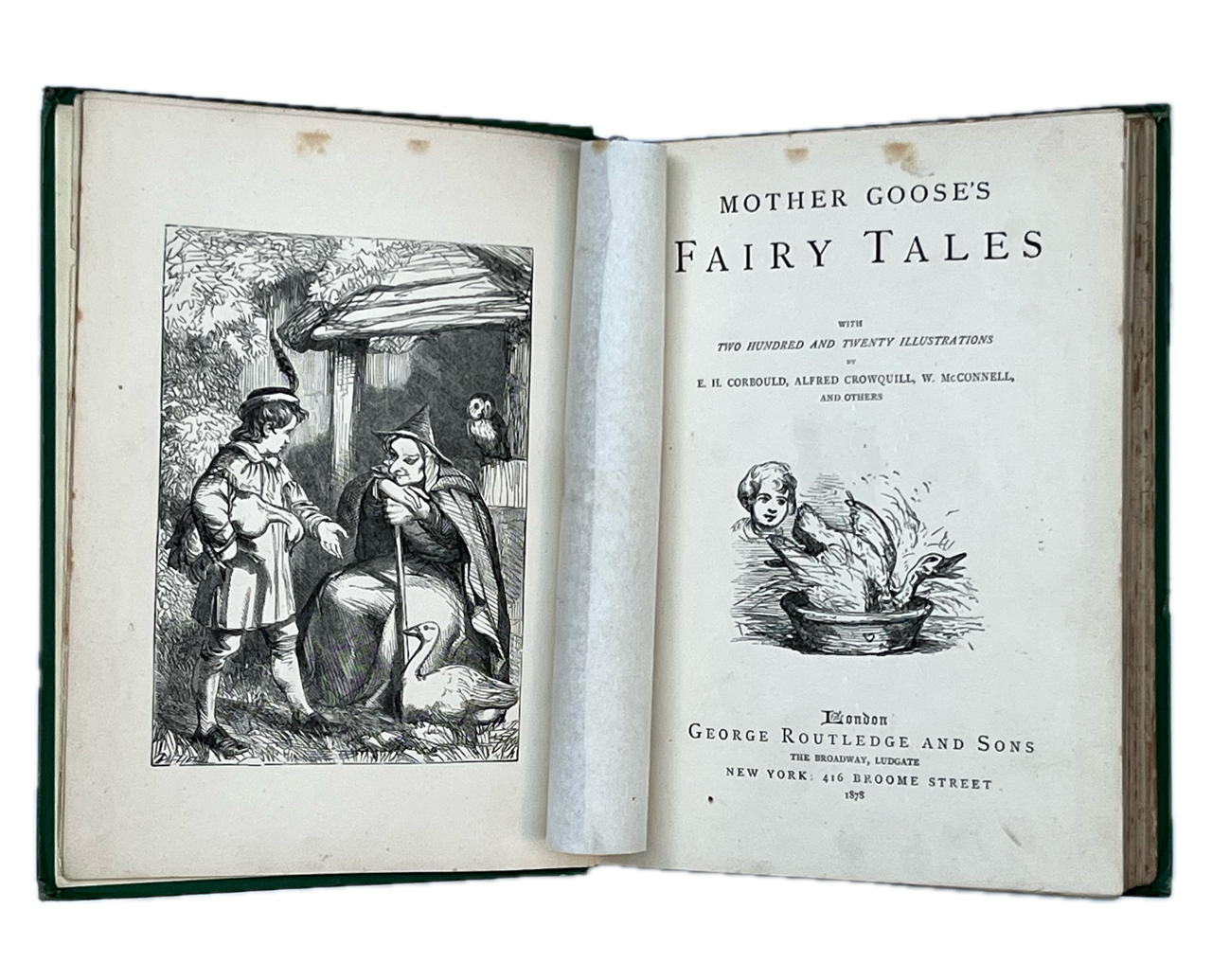
____ Mother Goose’s Fairy Tales. London; George Routledge & Sons. 1878.
£140.00
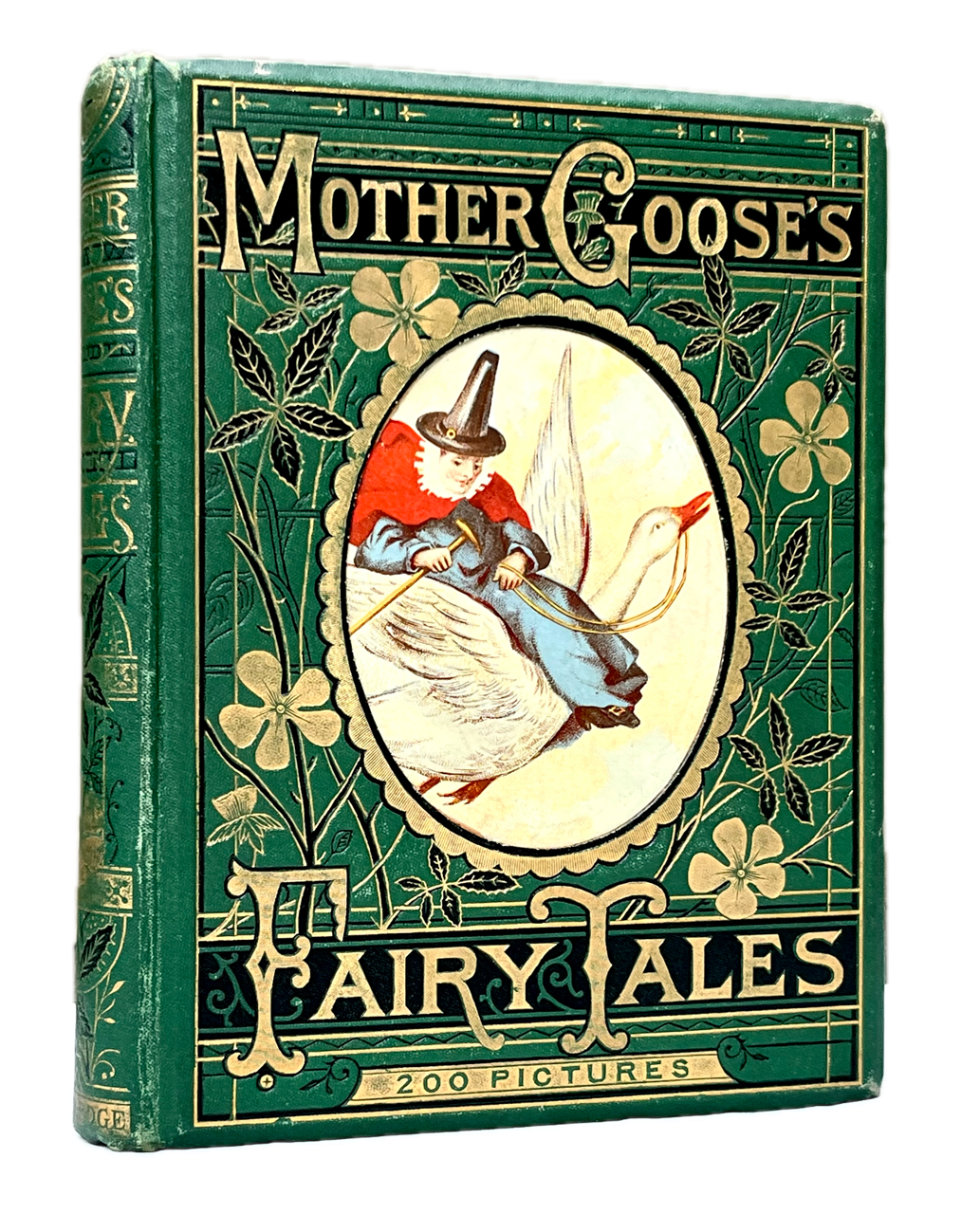
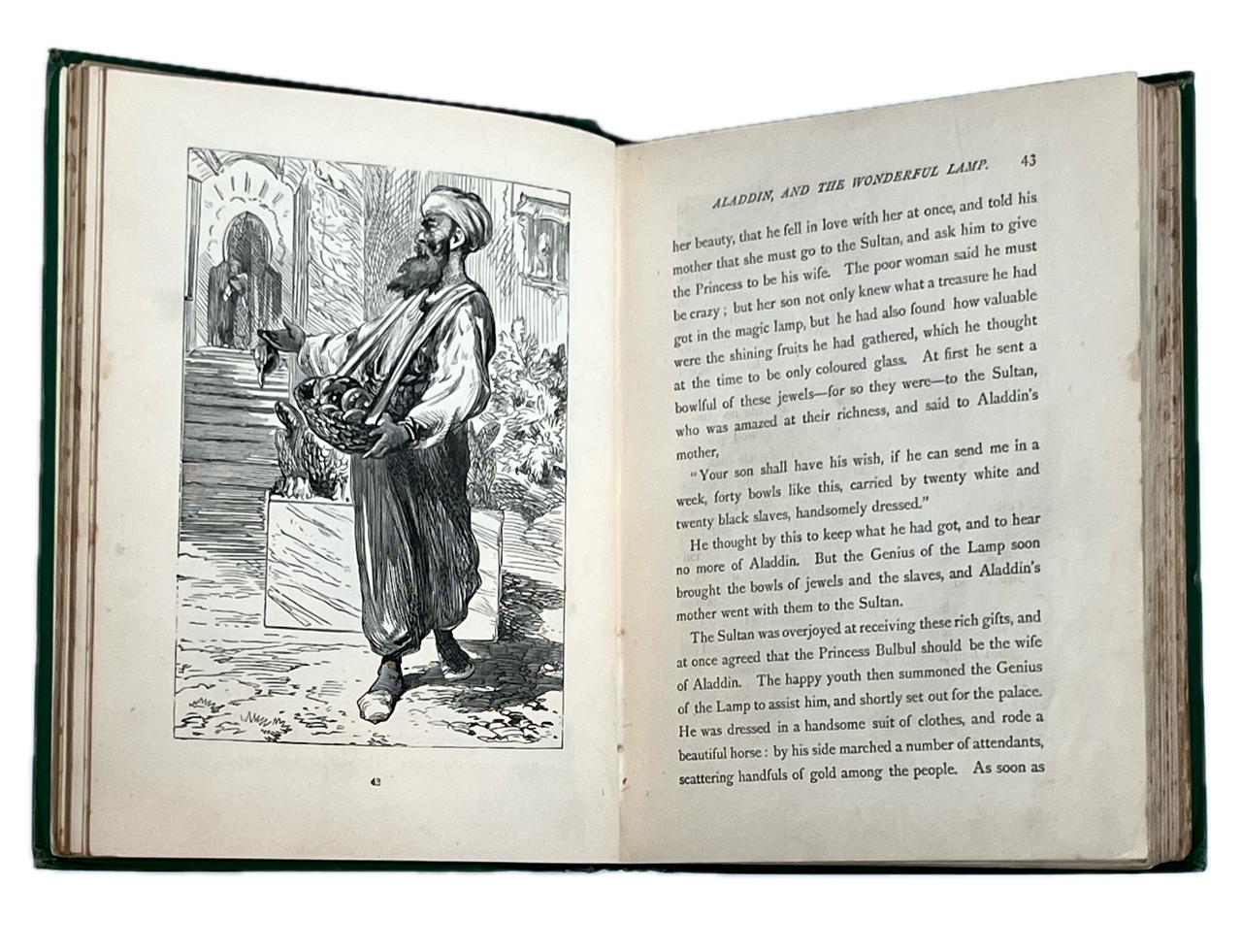
8vo. Original dark green cloth with bevelled edges and inlaid oval chromolithographed pictorial panel, elaborately and decorative blocked to spine and upper cover in black and gilt extra; pp. [ix], 10-320; profusely illustrated with 220 illustrations after wood-engravings by Corbould, Crowquill, McConnell etc.; fore-, and lower edges of book block dusted and foxed, an 8cm closed forecorner tear to a single leaf with a very neat old paper-strip repair and no loss of text, with some foxing to gutter of title-page and tissue-guard, offset-browning to half-title, occasional light marking, and a calligraphed contemporary gift inscription, “Louisa Rebecca Brock from Uncle Fred, February 26th 1879” to front endpaper; overall a beautiful copy of a very scarce book.
First edition, presented in its highly attractive and unusual publisher’s cloth binding. A handsome collection of many of the most popular traditional fairy tales including: Aladdin and the Wonderful Lamp; The Babes in the Wood (in verse); Blue-Beard; Cinderella or, The Little Glass Slipper; Ali Baba and the Forty Thieves; The Three Bears; The Ugly Duckling; Tom Thumb; Whittington and his Cat and Red Riding-Hood.
Cloth bindings originally made their appearance in the early 1820s and 1830s as a more cost-effective alternative to leather. They were usually plain or simply lettered in gilt. By the 1850s and 60s designs became more intricate, led by technical advances in the manufacturing processes, allowing for pictorial colours to be blocked onto the cloth, along with the gilt. Reliable colour blocking to casings however was not perfected until the late 1870s, and to counter this inadequacy publishers sometimes used chromolithographed inlays into recessed panels, or even onlays, to brighten the casing. By the late 1870s polychromatic colour blocking invariably supplanted this technique, which was a short-lived and transitional one. Today surviving examples of this binding style, in good condition, are prized by collectors for their craftsmanship.
In stock
Related Products
-
![[Complete set of the "Adventure Books"] The Island of Adventure; The Castle of Adventure; The Valley of Adventure; The Sea of Adventure;The Mountain of Adventure; The Ship of Adventure; The Circus of Adventure and The River of Adventure.](https://www.rosiehodgebooks.co.uk/wp-content/uploads/2026/08/IMG_0902-1024x807.png)
BLYTON, Enid (author). Stuart TRESILIAN (illustrator). [Complete set of the “Adventure Books”] The Island of Adventure; The Castle of Adventure; The Valley of Adventure; The Sea of Adventure;The Mountain of Adventure; The Ship of Adventure; The Circus of Adventure and The River of Adventure. London Macmillan & Co., Limited. 1944-1955
£2,500.00 -
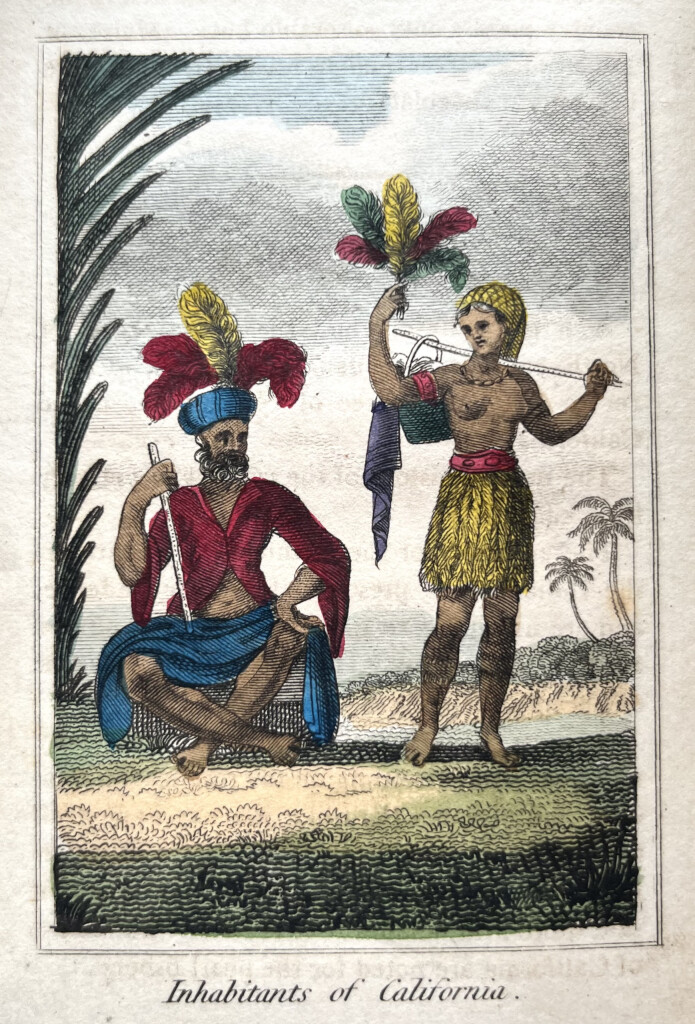
[VENNING, Mary]. A Geographical Present Being Descriptions of the Principal Countries of The World: with Representations of the Various Inhabitants In Their Respective Costumes. Beautifully Coloured. London Printed for Darton, Harvey And Darton, Gracechurch-Street. 1817
£300.00 -
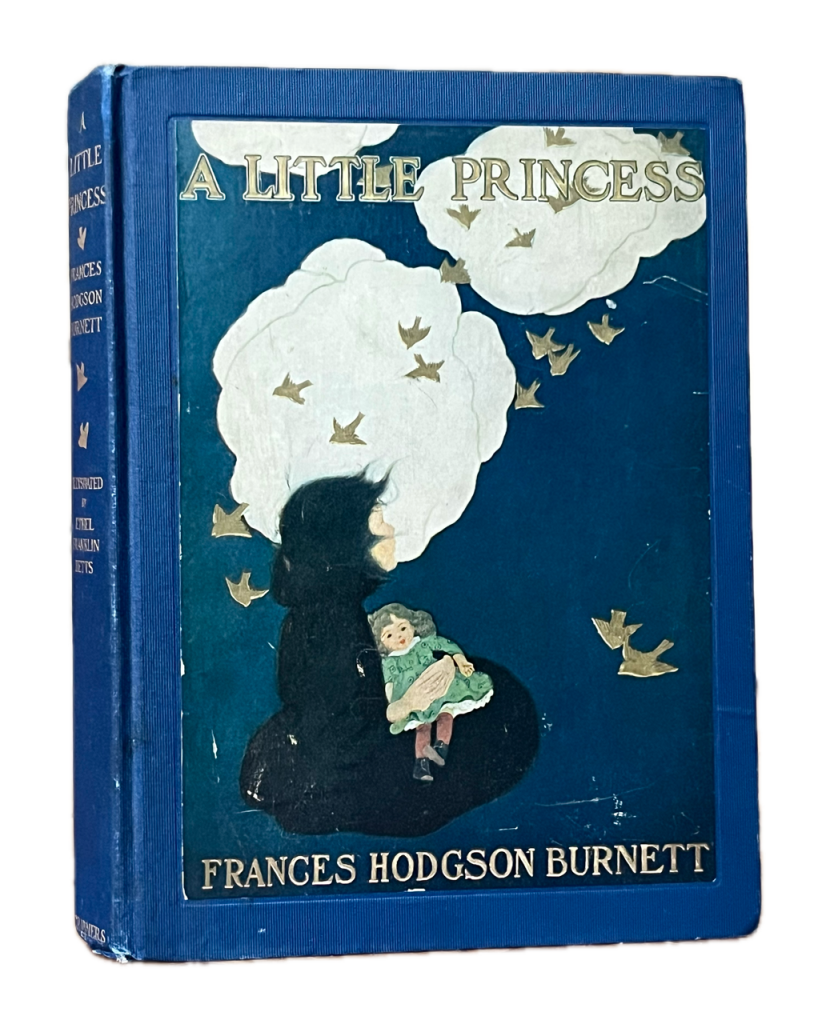
BURNETT, Frances Hodgson (author). Ethel Franklin BETTS (illustrator). A Little Princess, being the whole story of Sara Crewe now told for the first time. New York Charles Scribner’s Sons. 1905
£850.00 -
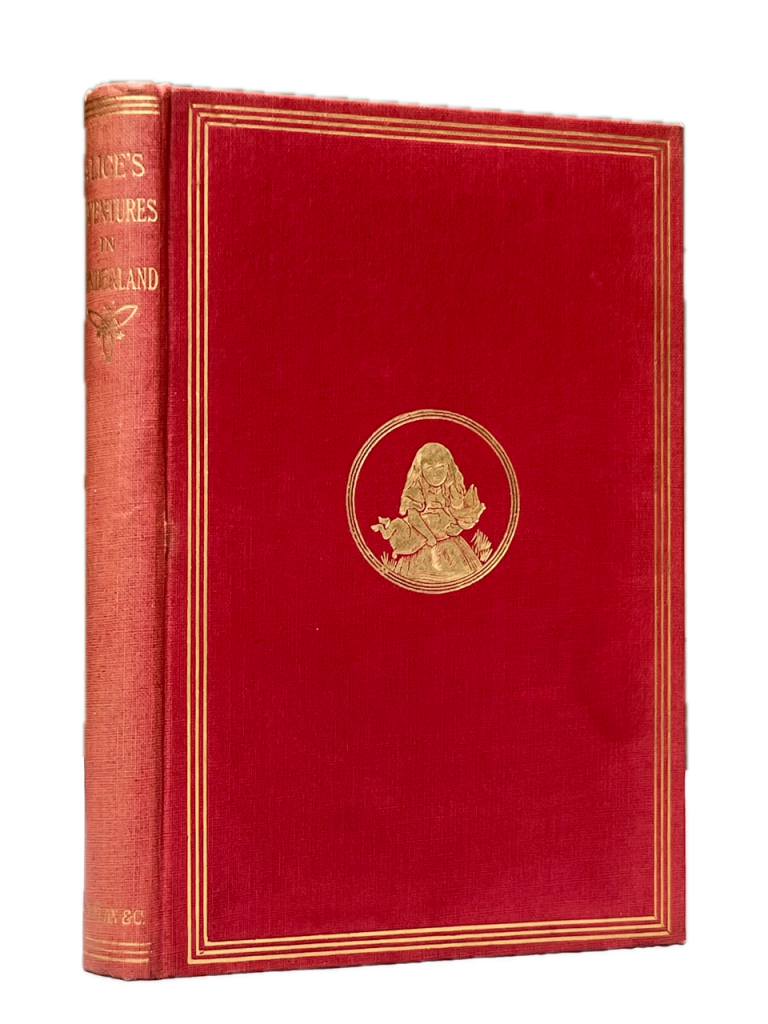
CARROLL, Lewis (author). John TENNIEL (illustrator). Alice’s Adventures in Wonderland. London; Macmillan & Co. Limited. 1932.
£120.00