

![Lara: a tale [bound with "Jacqueline: a tale", by Samuel Rogers].](https://www.rosiehodgebooks.co.uk/wp-content/uploads/2026/03/IMG_8121.png)
![Lara: a tale [bound with "Jacqueline: a tale", by Samuel Rogers]. - Image 2](https://www.rosiehodgebooks.co.uk/wp-content/uploads/2026/01/IMG_7344.png)
[BYRON, George Gordon Byron, Baron]. Lara: a tale [bound with “Jacqueline: a tale”, by Samuel Rogers]. London; Printed for J. Murray, Albemarle-Street. 1814
£180.00
Crown 8vo.; bound in nineteenth century olive green polished calf, spine with 5 raised bands, gilt in compartments with onlaid black leather label lettered in gilt, double-rule gilt panel to boards surrounding a roll-tool panel in blind, gilt edges to boards, edges of book block marbled, marbled endpapers; pp. [viii], [3]-93 + [i], “Jacqueline” pp. 94-128; a neat, sound copy and pleasing copy with an attractive patina, with overall dusting and rubbing and mild fading and discolouration to leather, forecorners turned with small abrasion; internally very clean throughout, free from all foxing.
First editions of both works. Byron’s Gothic poem in heroic couplets, “Lara”, which was published here anonymously despite enigmatic hints to authorship in the prelim Advertisement, is usually referred to as a loose sequel to his extended narrative poem “The Corsair”. That work was published on February 1, 1814 and quickly established itself as a publishing phenomenon, with its first print run of 10,000 copies allegedly selling out on the first day.
Here the figure of Count Lara is a classic dark and brooding protagonist, haunted by a mysterious and violent past and now alienated from, and defiant towards, society.
The work is classified as one of the poet’s Oriental, or Turkish, tales and has a Romantic intensity which is more Gothic in tone than his previous comparable pieces. Its principal themes include past secrets which poison the present, forbidden love, and emotional alienation and exile. Byron makes good use of typical Gothic tropes with hints of supernatural and psychological horror and use of the unrepentant villain, who developed into the archetypal Byronic Hero.
In stock
Related Products
-
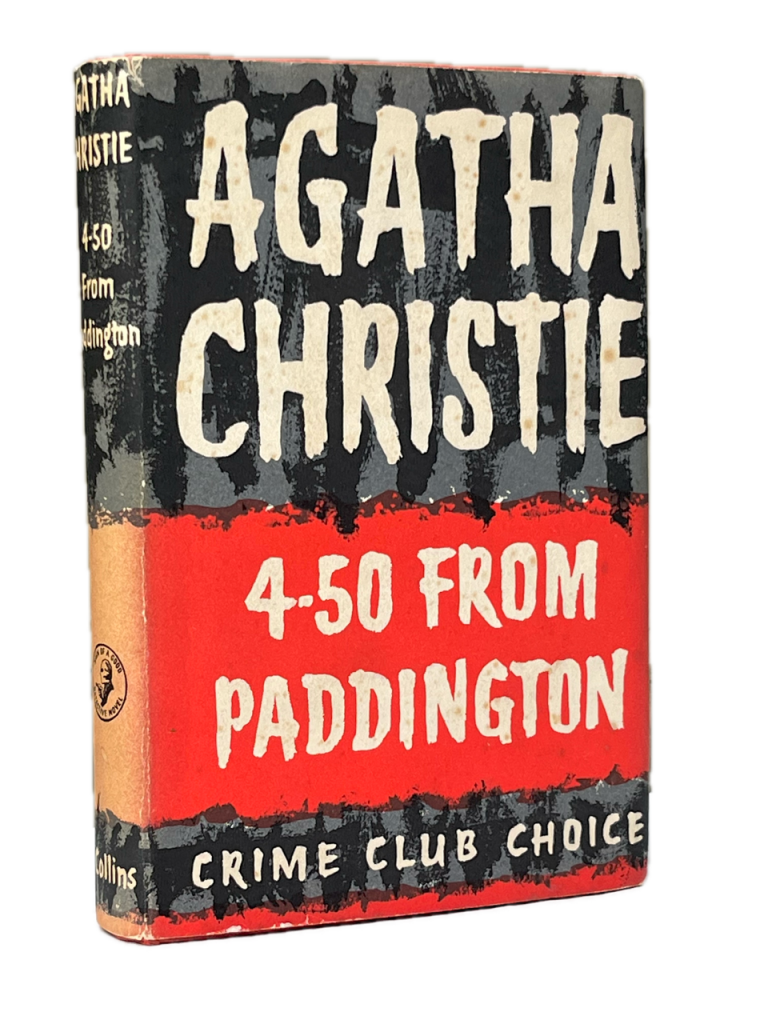
CHRISTIE, Agatha (author). 4.50 From Paddington. London Published for The Crime Club by Collins. 1957
£180.00 -
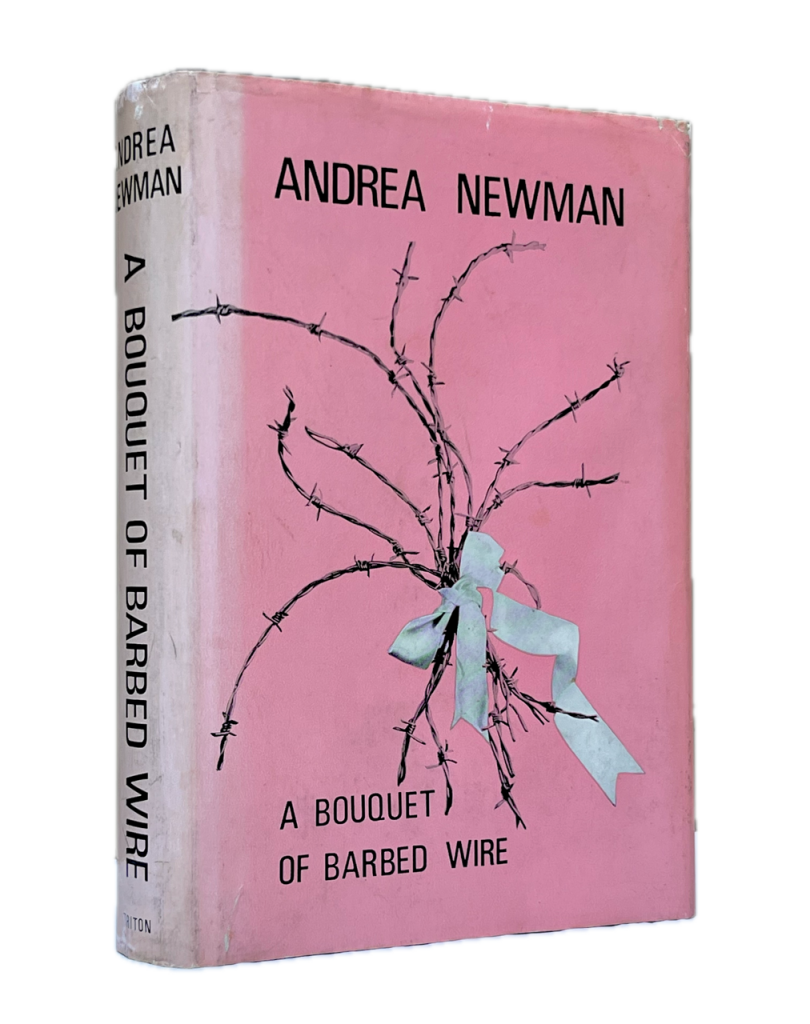
NEWMAN, Andrea. A Bouquet of Barbed Wire. London A Triton Book. 1969 Signed
£150.00 -
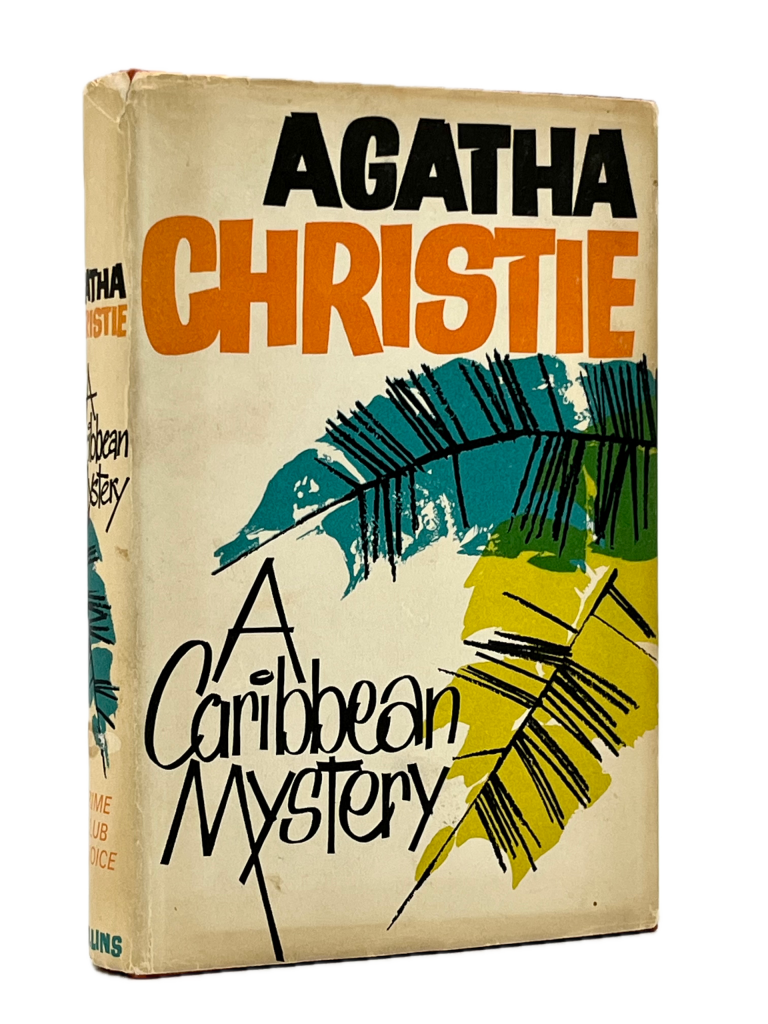
CHRISTIE, Agatha (author). A Caribbean Mystery featuring Miss Marple. London Collins Crime Club. 1964
£45.00 -
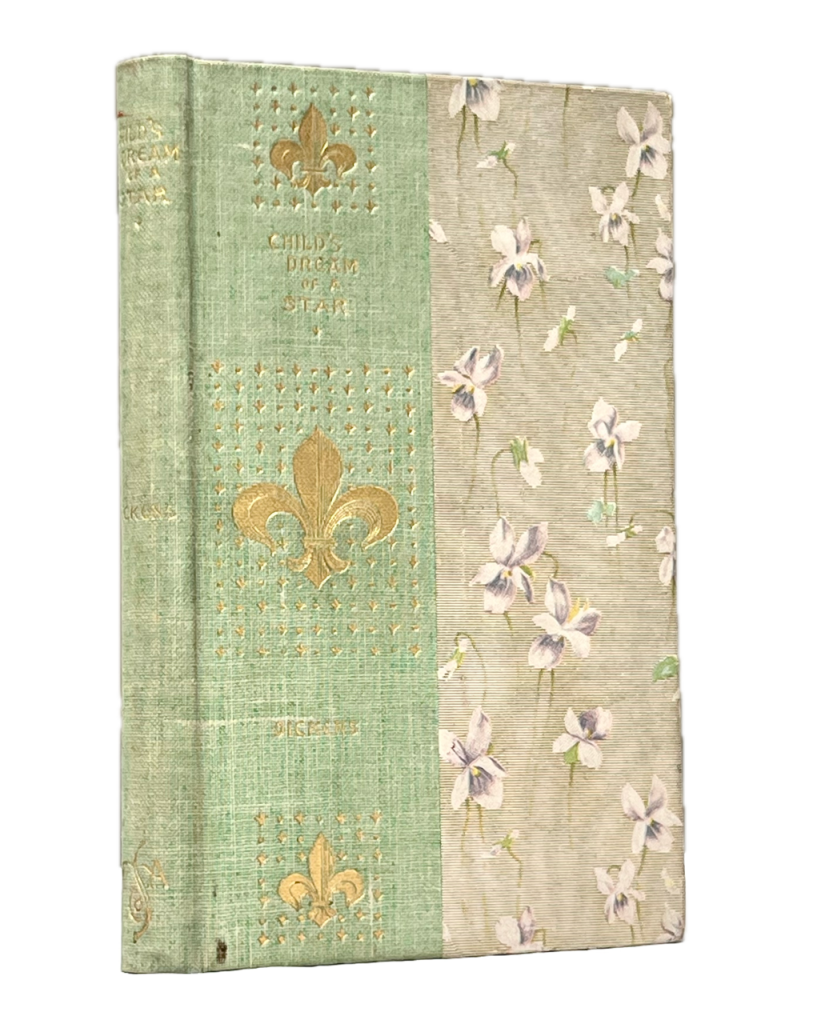
DICKENS, Charles (author). Elizabeth S. TUCKER (illustrator). A Child’s Dream of a Star. New York Frederick A. Stokes Company. [1894]
£50.00